
If you’re dealing with rats, you know how frustrating it can be to find a solution that actually works. Many approaches promise quick fixes but fall short when it comes to lasting results. Understanding which repellents are effective—and why some popular methods fail—is essential for keeping these pests at bay. Before you invest time or money pest control for rats, it’s important to separate fact from fiction and learn what truly deters rats.
Why Rats Invade and What Drives Them Away
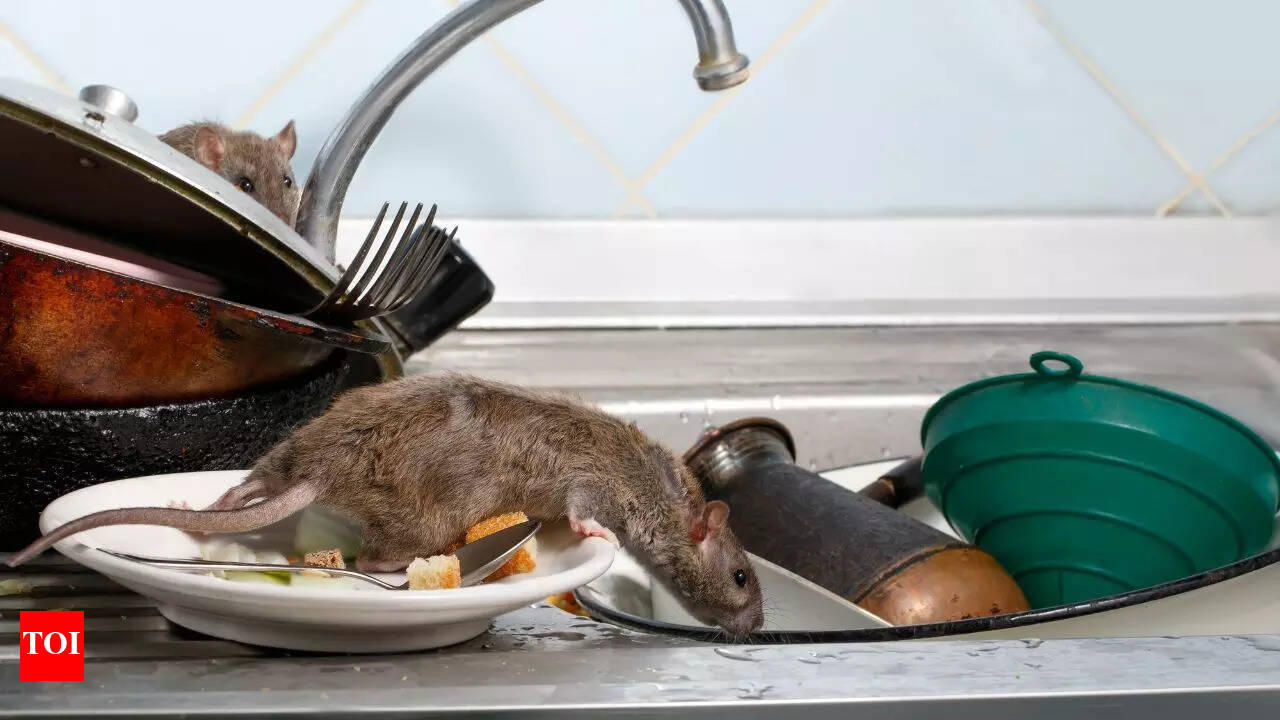
Although rats are often drawn to human environments by food and shelter, understanding what specifically drives them away can help you protect your space effectively igreenasia. Rats invade because they seek easy access to nourishment, warmth, and safe nesting spots. You can limit these by eliminating food scraps, sealing entry points, and maintaining cleanliness.
Rats are also sensitive to disturbances—bright lights, loud noises, and constant movement make environments less appealing. They avoid open spaces where they risk exposure to predators. By controlling these factors, you reduce their incentive to settle nearby.
Top Natural Rat Repellents That Actually Work
When you want to keep rats at bay without relying on chemicals, natural repellents offer effective solutions you can implement immediately. These options let you reclaim your space with minimal risk to your family or pets.
Start by leveraging scents rats find unbearable:
- Peppermint oil: Soak cotton balls and place them near entry points; the strong aroma disrupts their senses.
- Cloves or cayenne pepper: Sprinkle around affected areas to create an inhospitable environment.
- Ammonia-soaked rags: Mimic predator urine, triggering rats’ flight instinct.
Rotate these methods regularly to maintain their effectiveness.
You’re not just deterring pests—you’re restoring control naturally and confidently.
How Chemical and Electronic Repellents Compare
While natural repellents offer a gentle approach, chemical and electronic repellents provide more immediate and targeted solutions for rat control.
Chemical repellents, often containing strong odors or irritants, can quickly drive rats away but may require careful handling due to toxicity concerns. You’ll need to apply these regularly to maintain effectiveness.
Electronic repellents emit ultrasonic sounds that interfere with rats’ communication and navigation. They’re safe for people and pets, offering a non-chemical alternative, but their success varies depending on the environment and rat population density.
Choosing between the two depends on your priorities: if you want quick, potent action and don’t mind chemicals, opt for chemical repellents. If you prefer a safer, maintenance-free option, electronic devices might suit you better.
Both have limitations, so combining methods often yields the best results.

Common Rat Repellent Myths You Should Ignore
Because rat control is a common concern, many myths about repellents have spread, confusing homeowners and pest controllers alike. You shouldn’t fall for these common misconceptions:
- Ultrasonic devices scare rats away completely — Rats often get used to the noise, rendering devices ineffective over time.
- Strong smells always repel rats — While some scents may deter briefly, rats quickly adapt and ignore them.
- Homemade remedies outperform commercial repellents — DIY solutions rarely match the tested efficacy of professional products.
Understanding these myths allows you to focus on methods that truly work, saving time and money.
Don’t let misinformation limit your freedom to protect your space effectively. Instead, rely on proven strategies and avoid wasting effort on repellent tactics that offer little real defense.
Preventing Rats: Best Practices for Long-Term Protection
Effective rat prevention requires consistent effort and strategic planning to protect your home over the long term. Start by sealing all entry points—rats can squeeze through tiny gaps.
Maintain cleanliness; remove food sources by storing items in airtight containers and disposing of garbage regularly.
Trim vegetation away from your home’s foundation to eliminate hiding spots.
Install door sweeps and repair damaged screens to block access.
Regularly inspect your property for signs of infestation, and act promptly if you spot droppings or gnaw marks.
Consider using natural deterrents, but don’t rely solely on them.
Combining physical barriers with good sanitation creates a hostile environment for rats, giving you lasting freedom from infestations.
Conclusion
To effectively repel rats, don’t rely on myths or quick fixes alone. Use proven natural repellents like peppermint oil but rotate them regularly for best results. Chemical repellents offer fast relief, while ultrasonic devices can help but aren’t foolproof. Most importantly, seal entry points, keep your space clean, and remove attractants to prevent infestations long-term. Combining these strategies guarantees you stay ahead of rats and protect your home effectively.